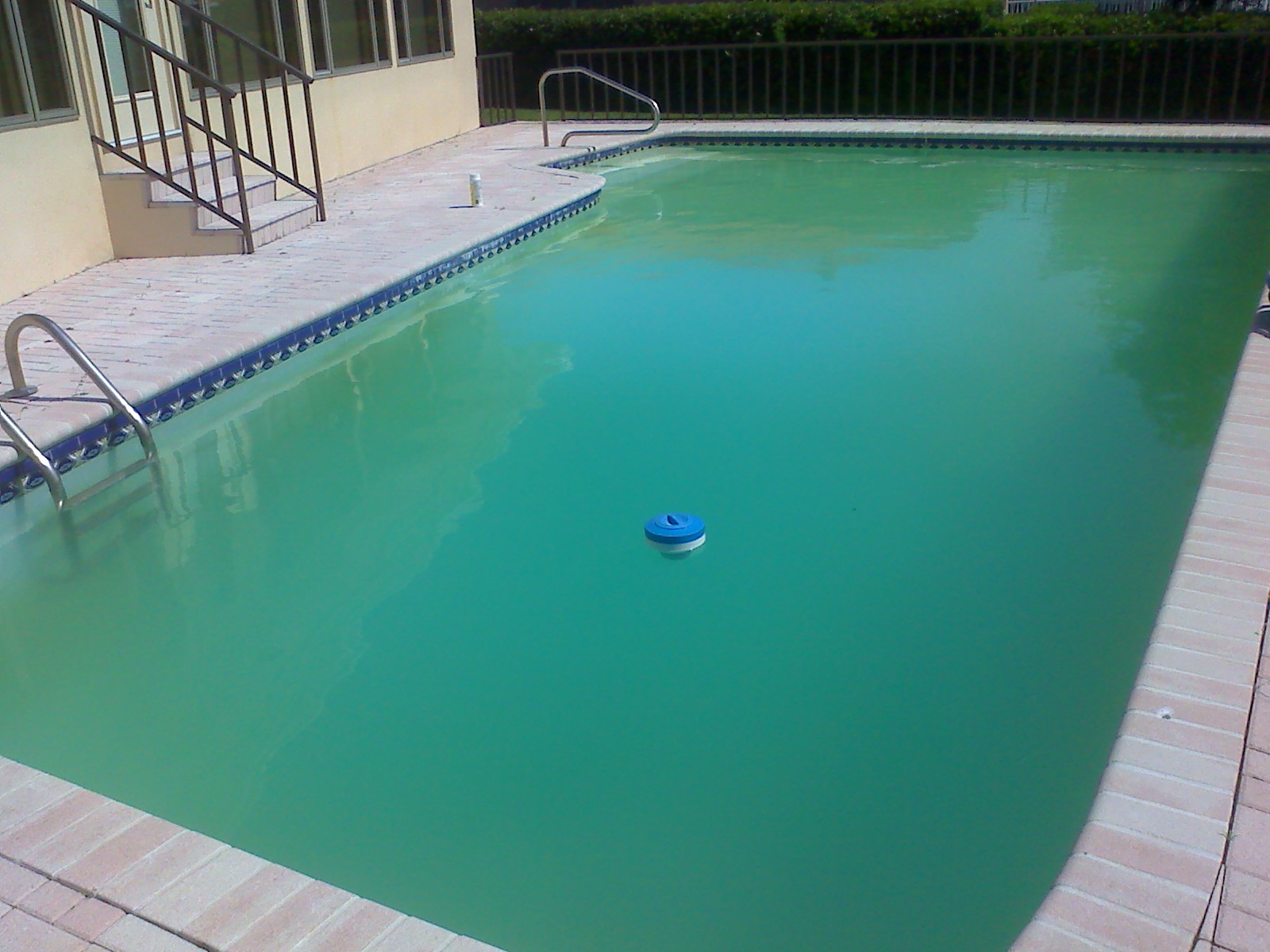
Why cloudy water is almost never one single thing
Cloudy water is a symptom, not a diagnosis. It usually means one of two broader systems is out of order: the water chemistry (sanitiser, pH, alkalinity) or the physical side (circulation and filtration). Most people's first instinct is to treat it as a chemical problem and shock the pool — and about half the time, that's throwing chemical at a mechanical problem it can't fix. The order below exists so you fix the actual cause instead of guessing.
The right order, in short
-
Test before you touch a single chemical
Test pH, total alkalinity, and free chlorine (or your sanitiser of choice) with a proper kit — test strips are fine for a quick check, but a liquid test kit or your local pool shop's water test gives you a more reliable reading if the water is genuinely cloudy. Write the numbers down; you'll want to compare them after each step.
-
Balance alkalinity first, then pH, then sanitiser
Alkalinity is what keeps pH stable, so adjust it first. Then bring pH into range. Only once both of those are settled does it make sense to look at sanitiser level — adding sanitiser to water with wildly off alkalinity or pH just means it won't hold, and you'll be back testing again in a day.
-
Check circulation and filtration before blaming the water
Confirm the filter is clean (see the causes section below for how to tell), the pump is running enough hours per day for your pool's size, and there are no obvious dead spots where water isn't moving — behind steps, in corners, near equipment that's partly blocked. A perfectly balanced pool with poor circulation will still go cloudy.
-
Only shock once chemistry and circulation are both sorted
If the water is still cloudy after balancing and confirming circulation is fine, that's when a shock treatment makes sense — not before. Shocking unbalanced water burns through chemical fighting the imbalance instead of the actual problem, which is the single most common reason people end up shocking a pool two or three times in a week with no result.
-
Run the filter continuously until it clears
Cloudy water clears through filtration — there's no shortcut that skips this. Depending on how cloudy it is, expect anywhere from a few hours to a couple of days of continuous filter run time. Backwash or clean the filter partway through if pressure climbs, since a filter that's doing its job will load up faster than usual while it's pulling the cloudiness out.
What's actually causing it
Work through these in roughly the order they're listed — the first two account for most cases.
Cause: Sanitiser level too low
How to tell: Free chlorine (or equivalent) tests low or at zero, especially after hot weather, heavy pool use, or rain.
Fix: Balance alkalinity and pH first if needed, then bring sanitiser back into range. If it's been low for a while, a shock treatment after balancing is usually warranted — low sanitiser for an extended period is exactly what lets algae get a foothold.
Cause: pH or alkalinity out of range
How to tell: pH reads high or low against the ideal range, or total alkalinity is well outside its range even if sanitiser looks fine.
Fix: High pH in particular can cause a fine, persistent cloudiness on its own by encouraging calcium and mineral scale to fall out of solution. Balance alkalinity, then pH, and retest after 24 hours since these numbers move slowly.
Cause: Dirty or undersized filter
How to tell: Filter pressure is high, flow feels weaker than usual, or the water stays cloudy despite chemistry testing fine and the filter running.
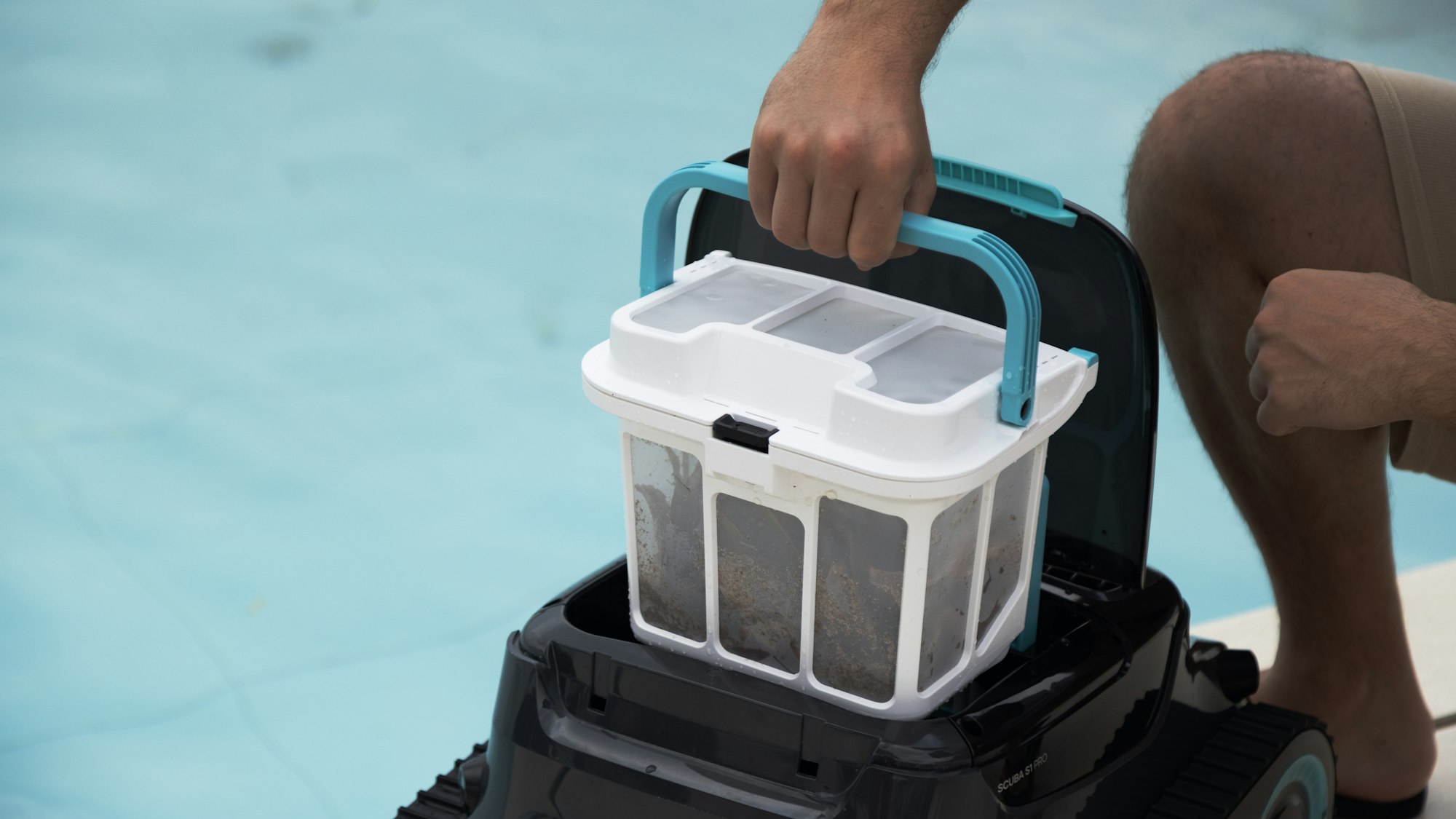
Fix: Backwash a sand filter, rinse or replace a cartridge, or recharge a DE filter. If the pool has grown (bigger pool, more bather load) since the filter was sized, it may simply be too small for the job now — that's a conversation for a pool professional, not a chemical fix.
Cause: Poor circulation
How to tell: Chemistry and filter both check out fine, but certain areas of the pool stay cloudier or duller than others, or the whole pool takes unusually long to respond to treatment.
Fix: Increase daily filter run time, check that return jets are angled to actually move water around the whole pool, and clear anything blocking flow near the equipment pad. For pools with known dead spots, running the pump longer is often the only practical fix short of replumbing.
Cause: A one-off environmental hit
How to tell: Heavy rain, a big pool party, high winds carrying in dust or pollen, or a sudden heatwave right before the cloudiness showed up.
Fix: Test and rebalance — a single heavy-use weekend or storm can knock chemistry out even if everything was fine a few days earlier. This usually clears fast once chemistry is back in range and the filter's had a chance to catch up.
The mistake that makes it worse
Adding more and more shock or algaecide into water that hasn't been tested first. If alkalinity or pH is the actual issue, extra chlorine doesn't fix that — it just gets consumed fighting a losing battle, and the water stays cloudy while the chemical bill climbs. Test first, every time, even when you're fairly sure you already know what's wrong.
How long it should take
Once chemistry is balanced and circulation is confirmed working, expect the water to visibly improve within 24 hours and fully clear within a few days at most, depending on how bad it was to start. If you're three or four days into balanced water and clean filtration with no visible improvement at all, that's a sign something on the diagnostic list above hasn't actually been fixed — go back through it rather than adding more chemical.
When to call a professional
If the water won't clear after working through everything above, or you're finding equipment problems alongside the cloudiness — weak flow, unusual noises, a filter that won't hold pressure — that combination is worth a proper inspection. It's also worth getting a professional water test occasionally even when things seem fine; home test kits are good for day-to-day monitoring but drift out of calibration, and a shop test catches things a strip might miss.
For equipment-specific symptoms alongside cloudy water, see Common Pump & Filter Problems. For getting the sequence right from a cold start, see Opening a Pool the Right Way. If what you're actually seeing is a bubbly layer on the surface rather than hazy water throughout, that's a different problem — see our pool foam guide.