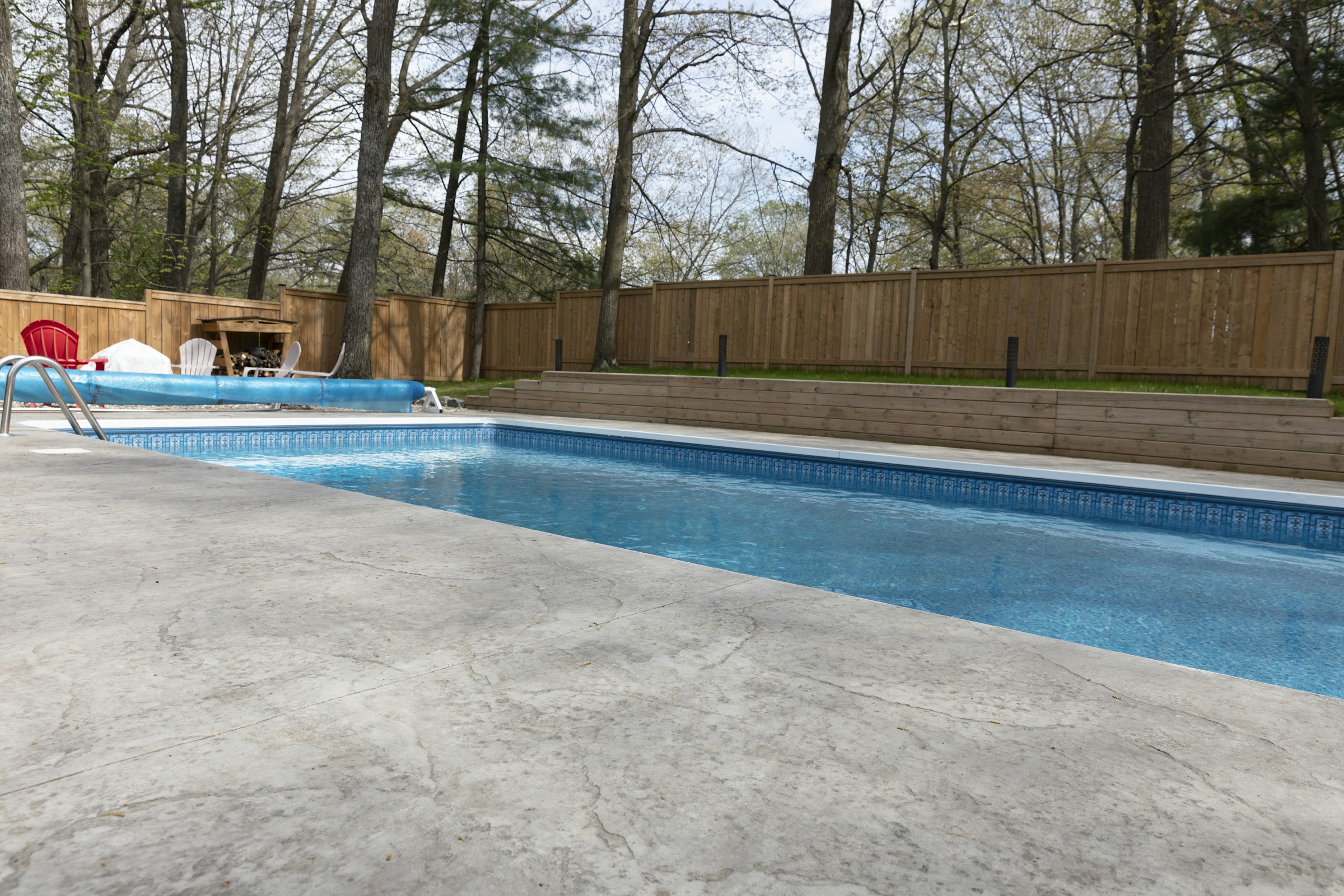
What "shocking" a pool actually means
Shocking isn't just "adding extra chlorine." It's a deliberate, temporary spike in chlorine level — high enough to hit what's called breakpoint chlorination, the point where chlorine has enough strength to fully oxidize organic contaminants and destroy chloramines, rather than just keeping up with day-to-day sanitising demand. A routine daily chlorine dose maintains a baseline; a shock dose is designed to overwhelm everything currently in the water, then drop back down to normal range within a day or so.
This matters because a lot of pool owners reach for "more chlorine" as a vague fix for cloudy water, algae, or a strong chemical smell, without actually dosing high enough to cross that breakpoint threshold. A dose that's too small to reach breakpoint just adds more chlorine to the existing pool of the same problem — you get the cost without the fix. Understanding shock as a specific, calculated dose rather than a rough top-up is the difference between it working the first time and needing to repeat it three times over a week.
The 4 types of pool shock
- Calcium hypochlorite (cal-hypo)
- The most common and generally cheapest option. Strong and effective, but raises calcium hardness over time with repeated use, and must be pre-dissolved in a bucket of water first — adding it directly as granules risks bleaching the pool surface or liner wherever undissolved granules settle.
- Sodium dichlor (dichlor shock)
- Stabilized with cyanuric acid built in, dissolves easily without pre-mixing, and is gentle on surfaces. The trade-off is that repeated use steadily raises cyanuric acid (stabilizer) levels, which can eventually reduce chlorine's effectiveness if left unchecked.
- Lithium hypochlorite
- Dissolves fast, doesn't raise calcium hardness or cyanuric acid, and is gentle on vinyl liners and colored plaster. The main downside is cost — it's typically the most expensive of the chlorine-based shock options.
- Non-chlorine shock (potassium monopersulfate / MPS)
- An oxidizer rather than a sanitiser — it clears out organic contaminants and chloramines without raising chlorine level at all, meaning a much shorter wait before swimming (often around 15 minutes). It doesn't kill algae or bacteria the way chlorine-based shock does, so it's better suited to routine oxidizing than to an active algae or contamination problem.
For most routine maintenance shocking, cal-hypo or dichlor cover it well. For an active algae bloom, a chlorine-based shock (not MPS) is what actually does the job — see our green pool guide for that specific process. For a quick oxidizing boost after a busy pool day when you want to swim again soon, MPS is the better fit.
When you actually need to shock
- Routine maintenance — weekly to every other week for most regularly-used residential pools, as a baseline habit rather than a reaction to a problem.
- After heavy bather load — a pool party or several consecutive busy days introduces more organic contaminants (sweat, sunscreen, body oils) than routine dosing accounts for.
- After heavy rain — rain dilutes chlorine and can introduce contaminants, and a sudden downpour is a common trigger for a chlorine level dropping faster than expected.
- Active algae — a genuinely stronger dose than routine shock, as covered in our green pool guide.
- Persistent chlorine smell — a strong smell usually signals a chloramine buildup that needs a proper breakpoint shock to clear, not more routine daily chlorine. Our chlorine smell guide covers this specifically.
- Opening a pool for the season — see our opening a pool guide for where shocking fits into that sequence.
How much to actually use
Exact dosing varies by product concentration, so always check the specific product's label — but as a general ballpark for a standard residential pool:
- Routine maintenance shock
- Roughly 1 lb of cal-hypo shock (or the equivalent for other types) per 10,000 gallons of pool water is a common baseline dose for regular upkeep.
- Algae or heavy contamination shock
- Often double to triple the routine dose — this is why algae treatment specifically calls for a stronger shock than everyday maintenance, not just "some more chlorine."
- Breakpoint shock for chloramines
- A rough industry rule of thumb is roughly 10 times your combined chlorine reading to reach breakpoint — a pool with a combined chlorine reading of 0.5 ppm might need a dose calculated to add around 5 ppm of free chlorine to actually break through, well above a routine dose.
Cyanuric acid (stabilizer) level also affects how much shock you actually need — high CYA reduces chlorine's effective strength, meaning a pool with elevated stabilizer may need a higher dose than the numbers above to achieve the same real effect. This is one of several reasons testing before shocking matters more than guessing.
The step-by-step process
-
Test the water first
Test free chlorine, combined chlorine, pH, alkalinity, and cyanuric acid before adding anything. This tells you your actual starting point, whether you're dealing with a chloramine problem specifically, and roughly how much shock the situation calls for.
-
Time it for evening or dusk
UV light burns off chlorine fast — shocking in direct midday sun can waste a large portion of the dose before it's had time to do its job. Early evening or after dark is the standard recommendation for a reason.
-
Pre-dissolve if the product requires it
Granular shock like cal-hypo should be pre-dissolved in a bucket of water before adding to the pool. Skipping this step is the single most common cause of bleached spots on liners or pool surfaces, where undissolved granules settle and sit in concentrated contact with the surface.
-
Add it around the perimeter with the pump running
Pour slowly around the edge of the pool rather than dumping it in one spot, with the pump and filter running so it distributes evenly rather than pooling in one area.
-
Run the filter continuously afterward
Keep the filter running for at least 8–24 hours after shocking, depending on the dose used, to circulate the chemical fully through the entire pool volume.
-
Retest before swimming
Test free chlorine before getting back in, rather than going by a fixed time estimate — wait until it's actually dropped back into the normal 1–4 ppm swimming range.
Mistakes that cause staining or wasted chemical
Mistake: Not pre-dissolving granular shock
Undissolved granules sitting on a liner or pool surface can cause localized bleaching or staining. Always pre-dissolve cal-hypo and similar granular products in a bucket of water before adding.
Mistake: Shocking in direct sunlight
A large portion of the dose burns off in UV before it can finish oxidizing contaminants, meaning you either under-treat the problem or need to use significantly more product than necessary.
Mistake: Skipping the pre-test
Shocking without knowing your starting chlorine, pH, and CYA levels means guessing at the dose — easy to under-treat a chloramine problem or over-treat routine maintenance, wasting chemical either way.
Mistake: Mixing chemical types together
Never combine different shock products, or shock with other pool chemicals, directly. Add one product at a time and store different chemical types separately — mixing certain pool chemicals can produce dangerous reactions.
Why shock sometimes doesn't seem to work
If chlorine drops right back down within hours of shocking, or the problem you were treating doesn't actually clear, it's rarely that the shock product itself failed — it's almost always one of a handful of specific causes worth checking before assuming you need to shock again.
- Cyanuric acid lock
- High stabilizer levels reduce chlorine's effective strength, sometimes dramatically. A pool with CYA well above the recommended range can absorb a full shock dose without reaching real breakpoint, because the chlorine that's technically present isn't working at full potency. Testing CYA before shocking, not just chlorine, catches this.
- The contamination source wasn't addressed
- Shock treats what's currently in the water — it doesn't stop new contamination arriving. A pool with an ongoing bather-load problem, a nearby source of organic debris, or ineffective circulation will often see chlorine demand spike again quickly regardless of how well the shock worked.
- The dose genuinely wasn't high enough
- This is the most common cause by far. A routine maintenance dose applied to a chloramine or algae problem simply isn't calculated for that job — see the dosing guidance above for the difference between a routine dose and what a real breakpoint or algae treatment actually requires.
- Poor circulation
- Shock needs to actually reach every part of the pool to do its job. Dead spots in circulation, a filter that's overdue for cleaning, or too-short a filter run time after shocking can all leave parts of the pool under-treated even with a correctly sized dose.
Working through this list before adding another full shock dose usually identifies the actual issue, rather than repeatedly shocking a pool that has a different underlying problem the chemical alone can't fix.
Saltwater pools and shocking
A common misconception is that saltwater pools don't need shocking because the chlorinator produces chlorine continuously. In practice, saltwater pools need shocking for exactly the same reasons chlorine-dosed pools do — heavy bather load, algae, chloramine buildup — the salt system just changes how you deliver the extra chlorine. Most salt chlorinators have a "super chlorinate" or "boost" mode that temporarily runs the cell harder to raise chlorine output, which serves the same function as adding shock product manually. If your system doesn't have that feature, or the boost mode isn't reaching the dose you need, adding a standalone chlorine-based shock product works exactly as it would in a manually dosed pool — see our salt vs chlorine guide for more on how the two systems actually compare day to day.
Safety handling
Store pool shock in a cool, dry place away from other chemicals, out of reach of children and pets, and never in a sealed container that could trap off-gassing. Wear gloves and avoid breathing in the dust when handling granular product, and always add chemical to water rather than water to chemical when pre-dissolving, to avoid a reaction splashing back. If a container looks damaged, swollen, or has an unusual smell, don't use it — dispose of it according to local hazardous waste guidance rather than pouring it down a drain.
Common questions
How long after shocking can I swim?
Typically 8–24 hours for chlorine-based shock, depending on the dose used, until free chlorine drops back into the normal 1–4 ppm swimming range — test rather than guess by time alone. Non-chlorine (MPS) shock is often swimmable in as little as 15 minutes since it doesn't raise chlorine at all.
Can I shock my pool during the day?
You can, but a large portion of the chlorine will burn off in direct UV before it finishes its job, so you'll need a notably higher dose to get the same effect as shocking at dusk or after dark.
Why did shocking my pool turn the water cloudy?
Temporary cloudiness after shocking is common and usually clears within a day as the filter catches the oxidized particles — this is different from the cloudy water covered in our dedicated cloudy water guide, which is about ongoing cloudiness rather than a brief post-shock haze. If it's still hazy after 2–3 days, see our cloudy pool after shock guide for the specific causes.
How often should I shock a pool as routine maintenance?
Weekly to every other week for most residential pools in regular use is a reasonable routine schedule, with additional shocks after heavy bather load, heavy rain, or visible algae.
Can I mix different types of pool shock together?
No — never mix different chemical types, including different shock products, directly together. Add one product at a time, store them separately, and follow the specific product's own instructions.